
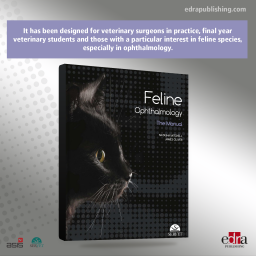
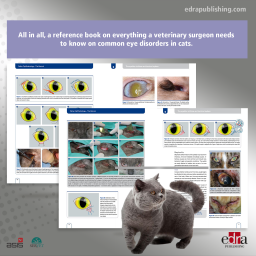


There is no doubt that cats are more and more popular as pets nowadays. It is therefore mandatory for veterinary surgeons to increase their knowledge on the diseases most frequently seen in feline practice. For that reason, the aim of this book is to provide the clinician with a visual guide to accurately diagnose and treat the most common ophthalmological eye disorders in cats. Feline Ophthalmology – The Manual is designed for veterinary surgeons in practice, final year veterinary students and those with a particular interest in feline species, especially in ophthalmology.
There is no doubt that cats are more and more popular as pets nowadays. It is therefore mandatory for veterinary surgeons to increase their knowledge on the diseases most frequently seen in feline practice. For that reason, the aim of this book is to provide the clinician with a visual guide to accurately diagnose and treat the most common ophthalmological eye disorders in cats. Feline Ophthalmology – The Manual is designed for veterinary surgeons in practice, final year veterinary students and those with a particular interest in feline species, especially in ophthalmology.
Authors:
Natasha Mitchell
MVBDVOphthal MRCVS
Natasha graduated from the University College Dublin in 1998. She worked for several years in general practice in the UK and Australia and obtained the RCVS Certificate in Veterinary Ophthalmology. She then undertook an alternative residency at the Eye Vet Clinic in Herefordshire and obtained the RCVS Diploma in Veterinary Ophthalmology. Natasha is a Veterinary Council of Ireland Recognised Specialist in Veterinary Ophthalmology. She is joint secretary of the British Association of Veterinary Ophthalmologists. She runs her own referral ophthalmology service, Eye Vet, in Limerick, Ireland, with a varied small animal and equine caseload.
James Oliver
BVSc CertVOphthal DipECVOMRCVS
James graduated from the University of Bristol in 2002 and, after five years in general practice, undertook a residency in veterinary ophthalmology at Davies Veterinary Specialists, Hertfordshire, UK. Now a European and RCVS Recognised Specialist in Veterinary Ophthalmology, James serves on the scientific committee of the British Association of Veterinary Ophthalmologists and is Co-chair of the Education & Residency Committee of the European College of Veterinary Ophthalmologists. James has published widely in the peer-reviewed literature and performs editorial and review work for several veterinary journals. He currently works as Senior Ophthalmologist at the Animal Health Trust, where he divides his time between clinical practice, teaching and genetics research.
Table of Contents:
1. Ocular examination
Introduction
Background
Equipment
Ocular examination
References
2. Anaesthesia and surgery
Introduction
Anaesthesia and analgesia
Surgical preparation for ophthalmic procedures
The operating room
References
3. Ocular therapeutics
Drug delivery to the eye andadnexa
Ocular medications
References
4. The orbit and globe
Anatomy and function
Diagnosis of orbital disease
Congenital anomalies of the globe and orbit
Acquired anomalies of the globe and orbit
References
5. The eyelids, nictitans andlacrimal system
Anatomy and function
Diseases of the eyelids
Diseases of the nictitans
Diseases of the nasolacrimal system
Trauma to the eyelids, nictitans andnasolacrimal system
References
6. The conjunctiva
Anatomy and function
Congenital conditions
Acquired conditions
References
7. The cornea
Anatomy and function
Congenital and developmental conditions
Acquired conditions of the cornea
References
8. The uveal tract
Anatomy and function
Congenital conditions
Acquired conditions
References
9. Glaucoma
Introduction
What is glaucoma?
Aqueous humour dynamics
Investigation of glaucoma
Normal intraocular pressure
Clinical signs of glaucoma
Types of feline glaucoma
References
10. The lens
Embryology, anatomy andfunction
Congenital anomalies
Acquired anomalies of the lens
References
11. The vitreous and fundus
Anatomy and function
Congenital abnormalities of the vitreous and fundus
Acquired diseases of the vitreous and fundus
References
12. Neuro-ophthalmology
The neuro-ophthalmic examination
Autonomic innervation of the eye and adnexa
Ophthalmic manifestations of neurological disease
Causes of neuro-ophthalmic disease
References
Alphabetical index
Data sheet
Specific References
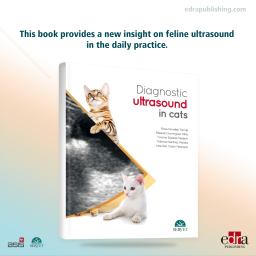
This book provides new insight into feline ultrasound in daily practice. From cranial to caudal, the feline species has been thoroughly scanned, detailing for each body region the scanning technique, as well as the ultrasonography of both the normal and the diseased organ. In each chapter, key points highlight feline species' special features and help the reader focus on the most important. Several short ultrasound clips are also available in the electronic version of the book, increasing, even more, the interest of this book: an up-to-date text and several references to the latest studies.
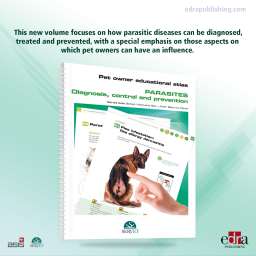
This new atlas focuses on how parasitic diseases can be diagnosed, treated, and prevented, with a special emphasis on those aspects on which pet owners can have an influence. It includes a classification of parasitic diseases according to the organ systems they affect, parasites in exotic animals, and a description of the most important zoonoses transmitted by dogs and cats.
This new volume of the collection Pet Owner Educational Atlas aims to help pet owners gain a better understanding of parasites, always through their veterinary surgeon's explanations and recommendations. It continues with the goal established in the first work: helping veterinarians in their communication with the pet owners when it comes to explaining how a parasitic disease is affecting their pets.
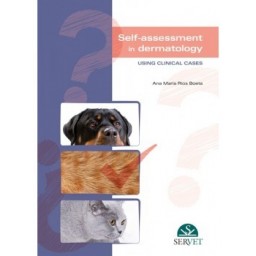
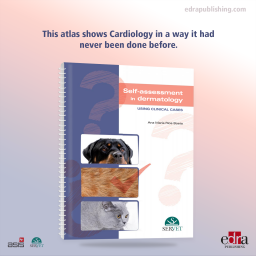
This self-assessment manual allows veterinary surgeons and veterinary students to test their knowledge of small animal dermatology. The book presents a variety of different clinical cases, replete with images of affected patients and relevant data. Based on this information, the reader can identify the disease process in question in a simple and entertaining way, thus refreshing and expanding their knowledge of diagnosis and treatment.
In the fascinating world of endocrinology, scientific knowledge and technology have advanced greatly in recent years. Alongside, the ability to diagnose, treat, and manage various endocrine disorders has progressed too. The goal of this textbook is to provide an up-to-date, comprehensive, yet accessible resource for understanding and managing endocrine disorders in dogs.
There is no doubt that cats are more and more popular as pets nowadays. It is therefore mandatory for veterinary surgeons to increase their knowledge on the diseases most frequently seen in feline practice. For that reason, the aim of this book is to provide the clinician with a visual guide to accurately diagnose and treat the most common ophthalmological eye disorders in cats. Feline Ophthalmology – The Manual is designed for veterinary surgeons in practice, final year veterinary students and those with a particular interest in feline species, especially in ophthalmology.