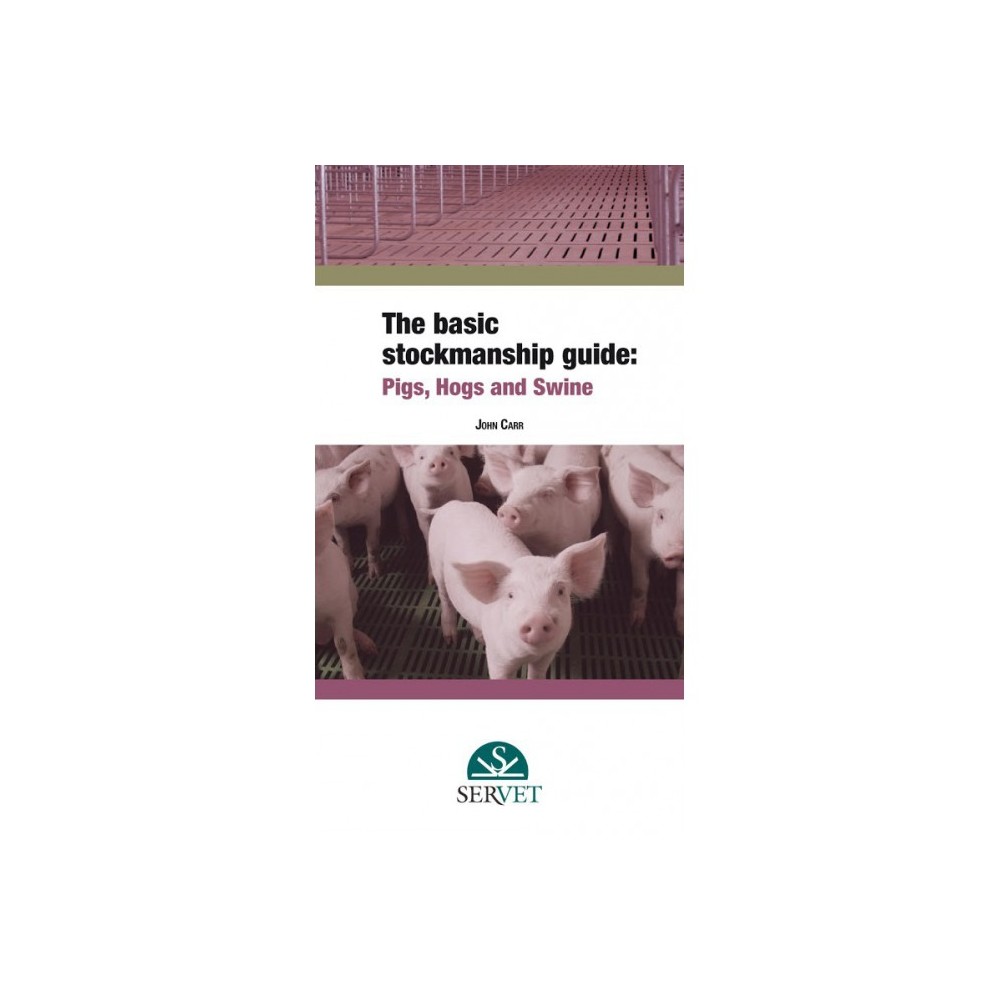

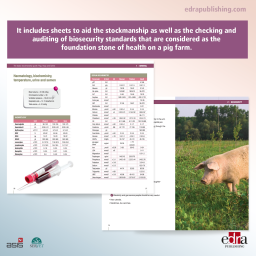
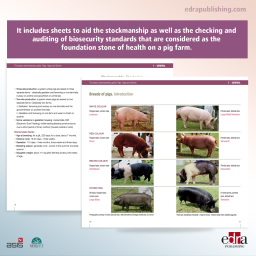
This guide is presented as a series of advice sheets that provide rapid information in a format easily understood by every member of the farm team. It includes sheets to aid the stockmanship as well as the checking and auditing of biosecurity standards that are considered as the foundation stone of health on a pig farm.
This guide is presented as a series of advice sheets that provide rapid information in a format easily understood by every member of the farm team. It includes sheets to aid the stockmanship as well as the checking and auditing of biosecurity standards that are considered as the foundation stone of health on a pig farm.
Authors:
DR. JOHN CARR
Curriculum Vitae: John started learning the ropes about pigs at the age of 11. He qualified as a veterinarian in 1982 by the University of Liverpool. After 5 years in general practice he returned to university to complete a Leverhulme residency in pigs and a PhD in urinary tract problems of pigs at Liverpool, where he specialized in microbiology and pathology.He has taught production medicine to veterinarians and farmers throughout the world through positions at several universities in the UK -Liverpool and Royal Veterinary College, London, and in the US -North Carolina and Iowa State- and in Western Australia at Murdoch. John runs a consultancy practice with clients in North America, Europe, Asia, Australia and Africa. John specialises in maintaining the health of pigs through promoting excellence in stockmanship and production practices while controlling the cost of production. He has published several books and more than 200 refereed and non refereed articles.
Table of Contents:
Table of Contents
1. General
Pigs, hogs and swine -The basics
Stockmanship - The basics
Breeds of pigs - Introduction
Guide to flow expectations
Guide to cost per kg breakdown
Pig farm targets per 100 sows
Targets - Profit based approach
Farm costs
Conversion tables
Haematology, biochemistry, temperature, urine and semen
Areas and volumes
Descriptions of directions around a pig
How many animals do we need to test?
2. Biosecurity
Threats to a pig unit
Biosecurity examination
Movement of pathogens between farms
Pressure washing
High health unit security
Unit security
Gilt and boar introduction
Loss of maternal antibody protection
3. Medicine
Medicine control and storage
Antimicrobial use in pigs
Vaccines in pigs
Needle use
Disposal of expired medicines, syringes and needles
Injectable dose rates
Feed residue avoidance and storage hygiene
4. Feeding issues
Checklist for feeding pigs
Major pig dietary components
Guide to nutrient requirements
Growth rates
Daily feed intakes
Farrowing house, feeding regime
Stotfold lactation feed scale
Enhancing lactation feed intake
Dry/gestating sow feeding regimes
The condition score
Weight estimation
Pig’s body dimensions
Feeding space allowance
Feed usage guide
Feeder management
Age of soiled feed
5. Water issues
Checklist for water issues
Water cleaning and maintenance
Water use and slurry production
Water quality guide
6. Air, temperature and ventilation issues
Ventilation maintenance routines
Lying patterns
Ambient air - temperature requirements
Thermal control
Effect of wind direction on air movement within an ACNV house
Insulation
Air pollutants
Cooling systems for pigs
7. Flooring issues
Checklist for the floor
Stocking densities
Farrowing crate sizes
Slats, steps and gates
Data sheet
Specific References
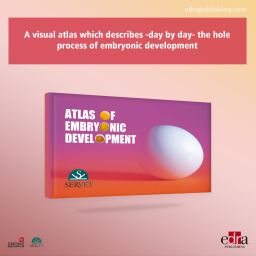
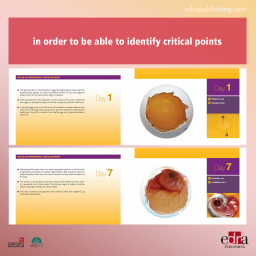
A visual atlas which describes –day by day– the hole process of embryonic development in order to be able to identify critical points in this process so a final and correct diagnosis can be established.
Through 60 cases of questions and answers (Q&A), in which real situations in the veterinary profession are reflected, an entirely practical review of bovine endoparasites and ectoparasites is carried out. The book is divided into four chapters dedicated to endoparasites of the digestive and respiratory apparatus, systemic endoparasites and cutaneous parasites. It's more than 260 images and diagrams, give this work an atlas character of bovine parasitology.
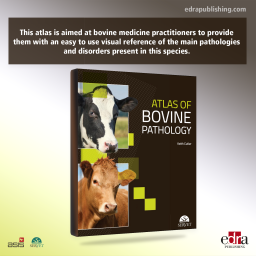
This atlas is aimed at bovine medicine practitioners to provide them with an easy to use visual reference of the main pathologies and disorders present in this species. A wide range of the most common diseases and disorders of cattle are illustrated, grouped by organic system and anatomic location, along with a brief description of the aetiology and pathology of each. The atlas includes the main disorders of cattle including congenital malformations, skin disorders, gastrointestinal, cardiovascular and respiratory conditions and diseases affecting the locomotor system, the nervous system including the sensory organs and the reproductive apparatus of males and females including the mammary gland.
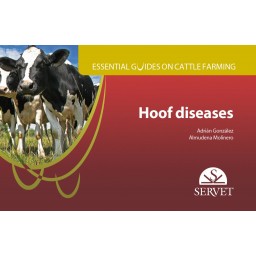
A visual and instructive book written by experts in the field, which shows readers how to analyse the most important characteristics of lameness and the main measures for its control and optimal prevention.
This guide is presented as a series of advice sheets that provide rapid information in a format easily understood by every member of the farm team. It includes sheets to aid the stockmanship as well as the checking and auditing of biosecurity standards that are considered as the foundation stone of health on a pig farm.